


The Difference Between Skeins, Hanks, Cakes, Balls and More: Your Guide to Yarn Configuration

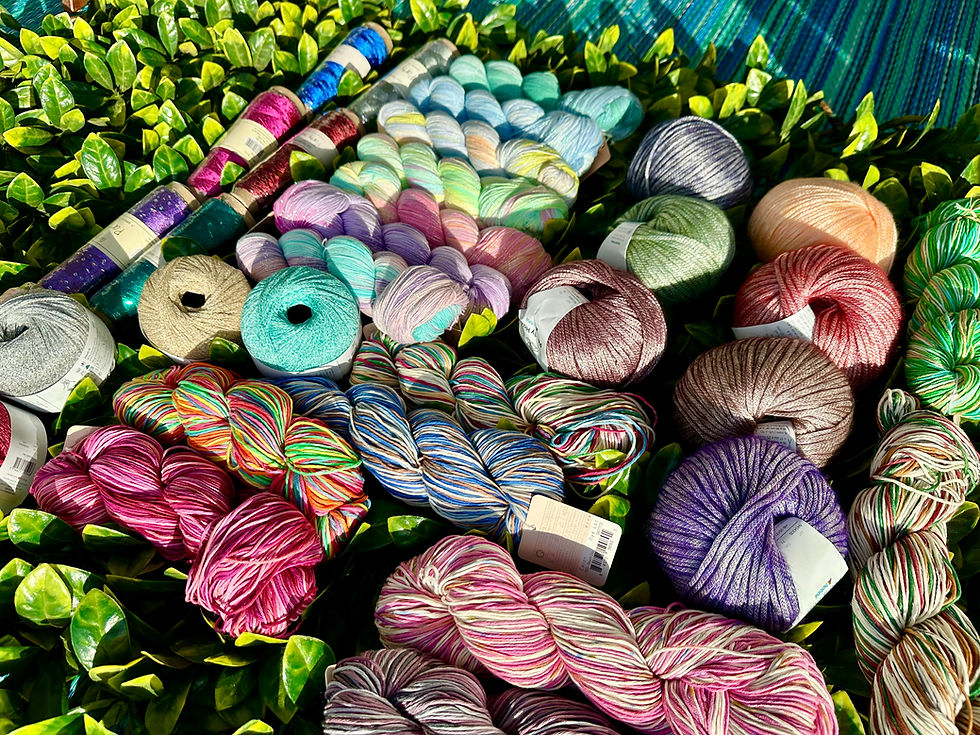
When stepping into the world of yarn craft, whether you’re a knitter, crocheter, weaver or other fibre artist, you’ll quickly learn that not all yarn is wound the same. From the neatly coiled cake to the rustic skein and the sleek yarn ball, the configuration of your yarn plays a big role in how you store it, use it and even how you choose it. But what’s the difference between a skein, a hank and a cake? Why are some yarns sold in balls while others come twisted in skeins?
In this article, we’ll dive deep into the most common yarn formats, exploring what makes each unique, why manufacturers use them and how they impact your crafting experience.
Why Yarn Configuration Matters
Yarn configuration isn’t just about aesthetics. The way yarn is wound and presented serves a practical purpose. It affects how yarn is stored, sold, displayed in-store or online and how easily it can be used. Some yarns are ready to work with straight from the shelf; others need to be wound before use. Some configurations protect delicate fibres; others are ideal for industrial packaging and shipping. Choosing the right format for your needs can save you time, effort and even prevent damage to your yarn.
The Difference Between Skeins, Hanks and Cakes
It's also important to note that the terminology is dependent on region. A skein in Australia is different to a skein in the United States.
With this in mind, let’s explore the most popular yarn configurations and their pros and cons.
1. Bullet Skein

What is a bullet skein?
A bullet skein is perhaps the most common yarn configuration you’ll find in craft stores. It’s an oblong, cylindrical-shaped bundle of yarn that’s ready to be used straight from the label, no winding necessary. You’ll see bullet skeins most commonly in commercially-dyed yarns, though the style may vary slightly between brands.
Pros:
Convenience: Ready to use immediately, no winding required.
Easy to store: Its compact shape stacks well and looks neat on shelves.
Retail-friendly: Great for point-of-sale display and barcode scanning.
Ideal for beginners: You don’t need any extra tools to get started.
Cons:
Prone to tangling if not pulled from the right end.
Outer strands can loosen with handling.
Centre-pull can collapse if not used carefully.
Why it’s used:
Bullet skeins are efficient for mass production and consumer use. They’re ideal for hobby crafters who want a plug-and-play yarn option. Many major yarn brands prefer skeins for this reason.
2. Balls
What is a ball of yarn?
The classic ball of yarn is exactly what it sounds like, a round or slightly oval bundle that’s wound in a crisscross pattern. It’s what many of us picture when we think of yarn, especially from vintage illustrations. These days, commercial yarns aren’t often sold in balls, but hand-wound balls are still common when winding leftover yarn or smaller quantities.
Pros:
Simple and familiar.
No tools required to make a ball. It can be done by hand.
Compact and neat for smaller lengths of yarn.
Cons:
Tends to roll away while you work.
Not centre-pull. You must work from the outside.
Can become tangled with overuse or if stored improperly.
Why it’s used:
Balls are a traditional format and still used in some boutique or heritage brands. Many crafters also re-wind their skeins or leftovers into balls for ease of storage or portability.
3. Hanks

What is a hank?
A hank is a large loop of yarn, most commonly used for hand-dyed or artisan yarns. In Australia, the term 'hank' is often used to talk about a large loop of yarn before it is twisted into a standard skein. In the United States, the term 'hank' is used for both the loop of yarn as well as its twisted format.
Pros:
Great for dyeing: Open-loop shape allows even dye distribution.
Shows off colourway beautifully, especially variegated yarns.
Preserves the yarn’s bounce and texture.
Easier to check for knots or flaws in the yarn.
Cons:
Needs to be wound before use (can be frustrating without a swift and ball winder).
Can become a tangled mess if used directly without winding.
Can become a tangled mess if transported as a hank and not twisted into a skein.
Why it’s used:
Most hand-dyed yarns are dyed in hank format to ensure even dye distribution. It is not common for yarn to be sold in hanks (using the Australian term) as this can cause yarn to become easily tangled
4. Skeins

What is a skein?
In Australia, a skein is a hank twisted into a neat bundle, beautiful, classic and most commonly used for hand-dyed or artisan yarns. While stunning on the shelf, hanks must be wound into a ball or cake before use to prevent tangling. In the US, 'skein' usually refers to what is commonly called a bullet skein in Australia.
Pros:
Great for dyeing: Open-loop shape allows even dye distribution.
Shows off colourway beautifully, especially variegated yarns.
Preserves the yarn’s bounce and texture.
Cons:
Needs to be wound before use (can be frustrating without a swift and ball winder).
Can become a tangled mess if used directly without winding.
Takes up more space in storage.
Why it’s used:
Most hand-dyed, boutique and luxury yarns are sold in skeins because they keep the yarn in its natural, untensioned state, preventing loss of elasticity over time. They’re perfect for showcasing tonal and speckled colourways as well as showcasing self-striping yarn.
5. Cakes
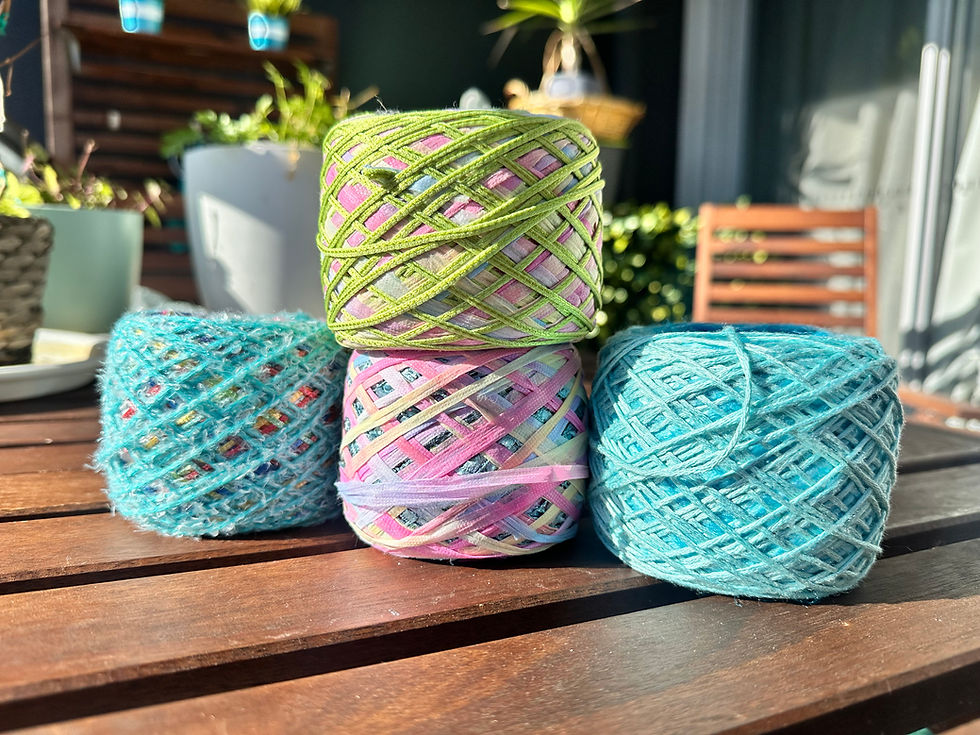
What is a yarn cake?
A yarn cake is a flat-topped, cylindrical yarn bundle created using a yarn winder. Cakes can be centre-pull or worked from the outside and are popular among yarn enthusiasts who want to prevent tangles or need better yarn management.
Pros:
Centre-pull ready means no yarn dancing across the room.
Flat top and bottom makes it stable while working.
Easy to stack and store.
Tidy and organised presentation of yarn.
Cons:
Requires a yarn winder (manual or electric).
Overwinding or winding too far in advance of use can stretch or distort delicate fibres.
Why it’s used:
Cakes are ideal for pre-winding hanks or preparing yarn for travel and long-term storage. Some indie dyers also sell their yarns in cake form for customer convenience.
At Fancy Yarns Australia, we offer a ball-winding service for any online purchases. Just add the service to the cart, and we can get your cakes organised for you!
6. Cones
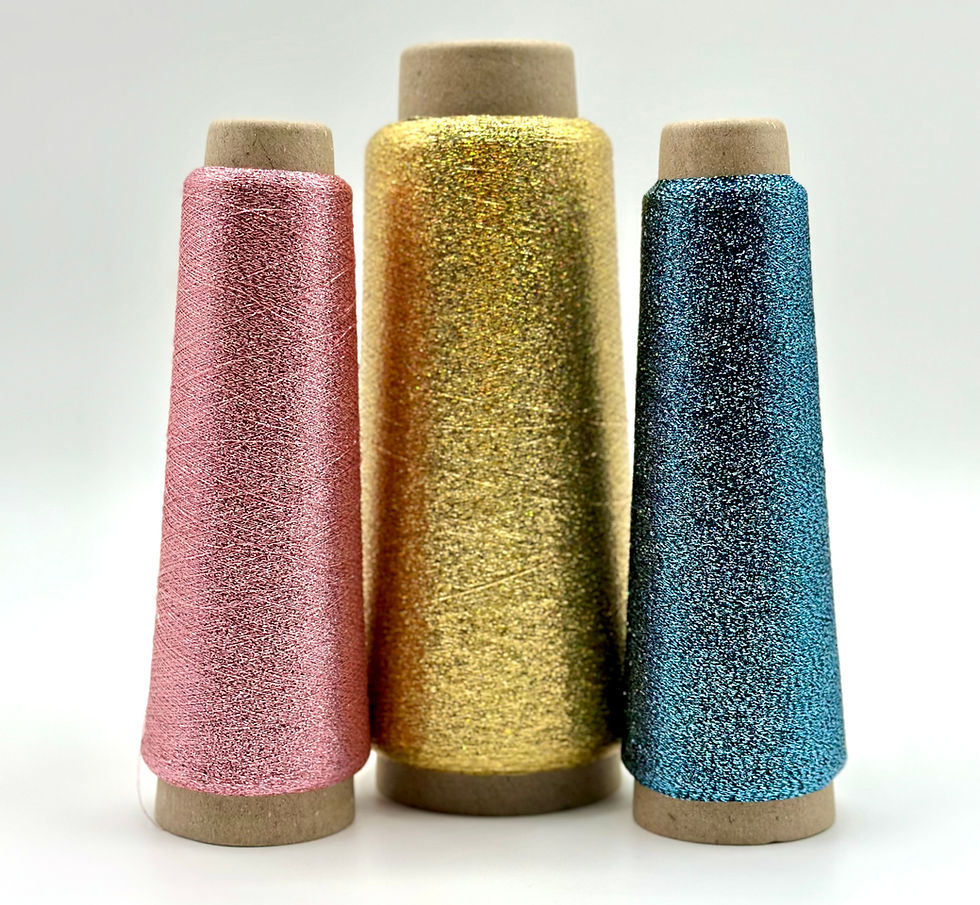
What is a cone?
Cones are large spools of yarn typically used in weaving, machine knitting or commercial production. You’ll often find cottons and linens sold this way, especially in bulk.
Pros:
Huge yardage means fewer joins in large projects.
Stable and easy to pull from.
Excellent for weaving and production work.
Cons:
Bulky for home storage.
Not as common in retail stores.
Sometimes unwashed or undyed and may require pre-treatment.
Why it’s used:
Cones are ideal for professional or semi-professional crafters working on large-scale or repetitive projects like weaving a bolt of cloth or machine knitting garments.
7. Donuts / Rolls

What is a donut?
Donut yarns are rolled flat with a visible hole in the middle, often used for cottons and budget-friendly yarns. They resemble a mini donut and are commonly used in eco or recycled yarn brands.
Pros:
Compact and tidy.
Visually appealing in multi-colour displays.
Easy to label and barcode.
Cons:
Can collapse as it’s used.
Difficult to use as centre-pull unless designed for it.
Limited yardage per donut.
Why it’s used:
Donut rolls are space-efficient and good for showcasing colour gradients or textured yarns. They’re often used in European and Asian yarn markets.
8. Pull Skeins

What is a pull skein?
This is a variation of a skein that’s wound specifically to allow the user to pull yarn from the centre.
Pros:
Tangle-free working.
The yarn doesn’t roll around.
Easy to start your project.
Cons:
Can collapse or tangle if centre-pull is too tight.
Can be hard to find the centre strand.
Why it’s used:
Centre-pull skeins make it easier for beginners and hobbyists to start their projects with no winding and no fuss.
Which Yarn Format is Right for You?
Choosing the right yarn configuration depends on your project, tools and personal preference. If you want instant gratification and a no-fuss setup, skeins or balls are perfect. If you love luxury yarns and don’t mind the extra prep, hanks give you beauty and performance. Need something for large-scale work? Cones are the answer. Prefer working from the centre with no tangles? Grab a cake, bullet skein or pull skein.
Here’s a quick comparison table to help:
Format | Ready to Use? | Best For | Watch Out For |
Bullet skein | ✔️ | Beginners, general projects | Centre-pull collapse |
Ball | ✔️ | Small projects, leftovers | Rolling, unravelling |
Hank | ❌ | Hand-dyed yarn | Needs to be transported carefully |
Skein | ❌ | Hand-dyed yarn, high-end projects | Must wind before use |
Cake | ✔️ | Easy centre-pull, storage | Needs winding tools |
Cone | ✔️ | Weaving, large projects | Bulky storage |
Donut | ✔️ | Budget yarns, eo yarns | Limited yardage |
Pull skein | ✔️ | Beginners, general projects | Centre-pull collapse |
Yarn configuration might not be the first thing you think about when shopping for yarn, but once you understand the strengths and quirks of each format, it opens up a whole new level of crafting ease and enjoyment. Whether you’re pulling from a tidy centre-pull cake or slowly unwinding a luxurious hand-dyed hank, the way your yarn is packaged can shape the flow of your entire project. The difference between skeins, hanks and cakes cacn make a significant difference to your yarn choices.
Next time you’re browsing through our shelves or adding skeins to your cart online, take a moment to think about how the yarn is wound and how that might help (or hinder) your next stitchy adventure.


