What is the Difference Between Wool and Yarn?

Updated: Jul 8

If you’ve ever heard someone say, “I bought some wool,” when they really meant yarn, you’re not alone.
The terms wool and yarn are often used interchangeably in everyday conversation. But technically, they are not the same thing and understanding the difference can help you make more informed choices about your fibre projects.
Whether you’re new to knitting and crochet or simply curious about how fibres become the yarns we love to work with, this guide will gently walk you through the distinction.
What is Wool?
Wool is a natural fibre that comes from sheep.
It grows as fleece on the animal and is shorn, cleaned and processed before it can be used in textile production. Wool has been used by humans for thousands of years because of its warmth, durability and breathability.
Wool is known for being:
Naturally insulating
Moisture-wicking
Breathable
Elastic and resilient
Biodegradable
Before wool becomes yarn, it goes through several stages of processing. In its raw form, wool is simply fleece. It must be cleaned (to remove debris), carded or combed (to align the fibres) and prepared for spinning.
At this stage, wool is still just fibre. It hasn’t yet become yarn.
It’s also worth noting that while wool specifically refers to fibre from sheep, other animals produce similar fibres. Alpaca, cashmere, mohair and camel are all animal fibres, but they are not technically wool. In casual conversation, people may refer to them all as “wool,” but in fibre terminology, they are distinct.
What is Yarn?
Yarn is the finished product created by spinning fibres together into a continuous strand.
Yarn can be made from many different types of fibre, including:
Wool (from sheep)
Alpaca
Cotton
Silk
Linen
Bamboo
Eucalyptus
Seaweed
Banana
Sugarcane
Acrylic
Blends of multiple fibres
In other words, wool is a type of fibre, and yarn is what happens when fibre is spun and prepared for use in knitting, crochet or weaving.
To create yarn, fibres are:
Cleaned and prepared
Aligned through carding or combing
Spun together to create twist
Often plied (multiple strands twisted together)
Finished and sometimes dyed
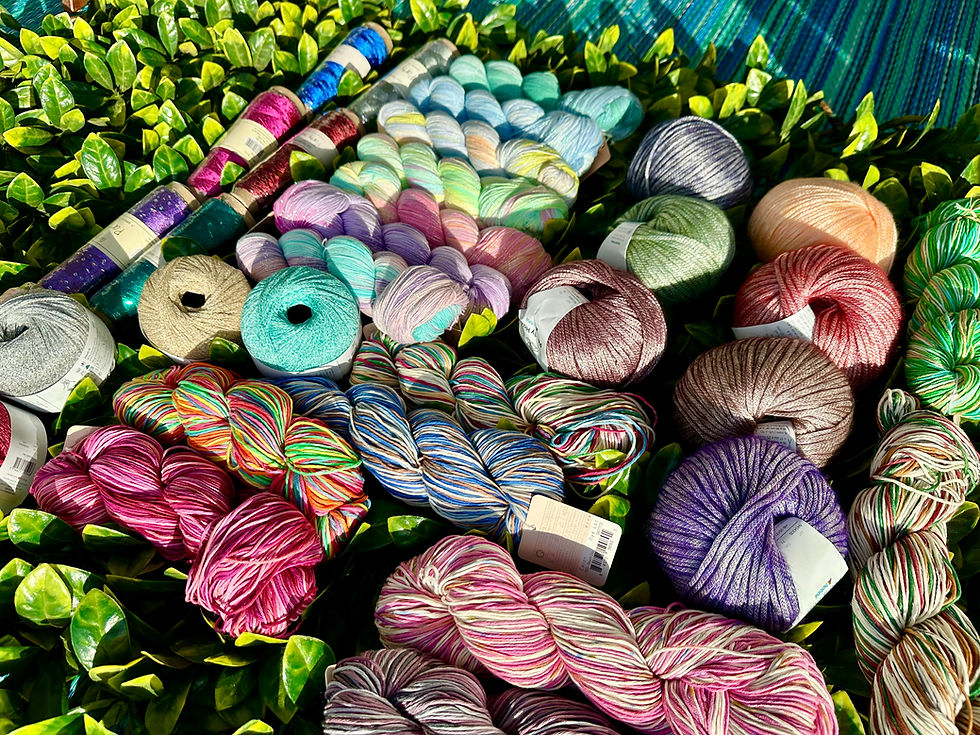
The result is the yarn you see wound into balls, skeins or hanks in a yarn store.
So while all wool yarn contains wool fibre, not all yarn contains wool.
Why Do People Confuse Wool and Yarn?
In many places, especially Australia and the UK, “wool” has become a shorthand term for yarn.
You might hear someone say:“I bought some wool for my jumper.”
They may actually mean cotton yarn, acrylic yarn or an alpaca blend.
This language habit is common and completely understandable. Historically, wool was one of the most widely used fibres for knitting, so the word became closely associated with the craft itself.
However, from a fibre education perspective, it’s helpful to understand that wool is only one type of fibre used to create yarn.

From Fleece to Finished Yarn
To better understand the difference, it helps to look at the journey from fibre to yarn.
Step 1: Shearing
Sheep are shorn to remove their fleece. This is typically done once a year and is an essential part of sheep welfare.
Step 2: Scouring
The fleece is washed to remove dirt, lanolin and vegetable matter.
Step 3: Carding or Combing
The fibres are aligned and separated to prepare them for spinning.
Step 4: Spinning
The fibres are twisted together to form a continuous strand. This twist gives yarn strength and structure.
Step 5: Plying (Optional)
Multiple strands may be twisted together to create thicker or more durable yarn.
Step 6: Finishing and Dyeing
The yarn is washed, set and often dyed before being wound into skeins or balls.
At the end of this process, wool fibre has become wool yarn.
The same process applies to other fibres. Cotton, alpaca, silk and plant-based fibres all go through similar spinning stages to become yarn.
Is All Yarn Made from Wool?
No, yarn can be made from:
Animal fibres
Wool (sheep), alpaca, mohair, cashmere, camel and more
Plant fibres
Cotton, linen (flax), hemp and bamboo
Regenerated fibres
Lyocell (often marketed as TENCEL™), SeaCell, modal and viscose. These are made from plant pulp but processed into fibre form.
Synthetic fibres
Acrylic, nylon and polyester
Many modern yarns are blends, combining fibres to achieve specific qualities such as strength, softness, drape or durability.
For example, a yarn labelled as an alpaca-silk-wool blend will combine the warmth of wool, the softness of alpaca and the sheen of silk.
Understanding this helps you choose yarn more intentionally for your project.
Why the Difference Between Wool and Yarn Matters When Choosing the Right Yarn for Your Next Project
Knowing the difference between wool and yarn helps you:
Choose fibres suitable for sensitive skin
Select breathable yarns for summer garments
Understand warmth and insulation levels
Care for your finished projects properly
Make more informed sustainability choices
For example:
If someone says, “I can’t wear wool,” they may mean they find high-micron sheep’s wool itchy. However, they might be perfectly comfortable wearing cotton yarn, alpaca blends or fine merino wool.
Similarly, if you are knitting for a baby, you may choose fibres that are softer, washable or hypoallergenic rather than assuming all yarn behaves the same way.
The fibre content of yarn affects how it drapes, stretches, wears and washes. Understanding fibre basics gives you more confidence as a maker.

A Note on Sustainability
From a sustainability perspective, fibre type can influence environmental impact.
Wool is a renewable natural fibre. Sheep grow new fleece each year, and wool is biodegradable at the end of its life. However, like all agricultural systems, its environmental footprint depends on land management practices.
Plant fibres such as cotton and linen also come from renewable sources, though they vary in water and land use.
Regenerated fibres like lyocell are created using closed-loop production systems that recover and reuse solvents, reducing waste.
Synthetic fibres are petroleum-based and do not biodegrade, though they may offer durability and longevity in certain uses.
Understanding the distinction between wool and yarn allows you to consider not just the finished product but the fibre origin and lifecycle behind it.
Even small awareness shifts can lead to more thoughtful making.
Frequently Asked Questions
Is wool the same as yarn?
No. Wool is a fibre from sheep. Yarn is the spun strand made from fibres, which may or may not include wool.
Is all yarn made from sheep’s wool?
No. Yarn can be made from animal, plant, regenerated or synthetic fibres.
Can yarn be wool-free?
Yes. Cotton yarn, bamboo yarn and acrylic yarn contain no wool, provided they are not blended.
Is alpaca wool?
Alpaca is an animal fibre, but technically not wool. Wool refers specifically to sheep fibre.
In Simple Terms
Wool is the fibre. Yarn is what that fibre becomes after spinning.
Once you understand this distinction, it becomes much easier to navigate yarn labels, fibre blends and project choices with confidence.
Whether you’re drawn to the warmth of wool, the drape of silk, the breathability of cotton or the softness of alpaca, knowing what your yarn is made from allows you to create projects that truly suit your needs.
At Fancy Yarns Australia, we believe beautiful making begins with understanding what’s in your hands.