


The Top 5 Crochet Mistakes (and How to Fix Them)

Updated: Dec 4, 2025
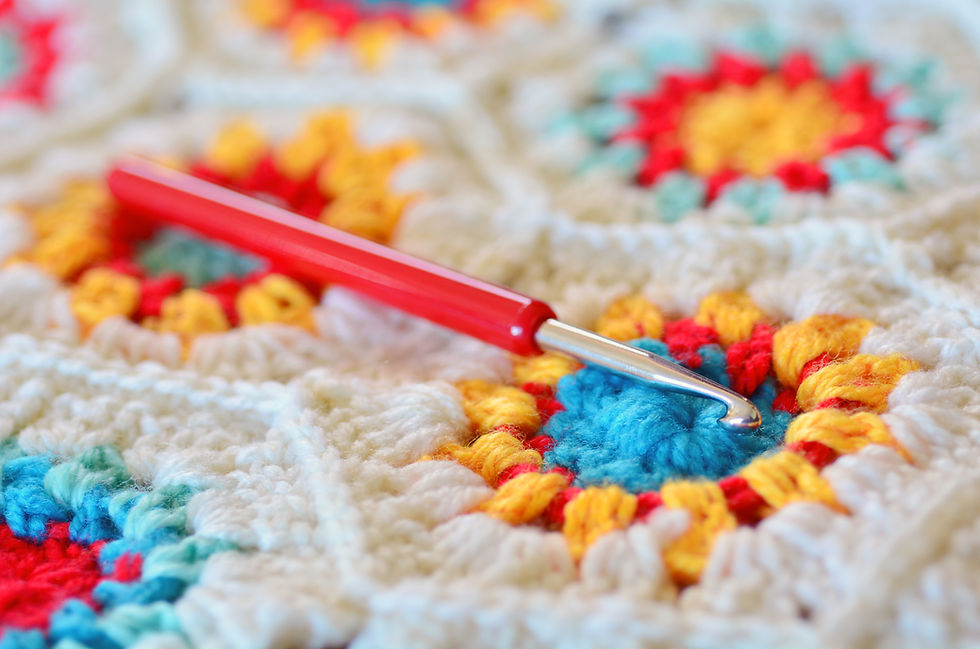
Crochet is one of those crafts that feels like pure magic — one hook, one ball of yarn, and endless possibilities. But even the most seasoned crocheters make mistakes (yes, all of us!).
The good news? Most issues are incredibly easy to fix once you know what’s going on.
Here are the top five crochet mistakes we see all the time and the simple ways to fix them so you can stitch with confidence.
1. Your Project Keeps Getting Wider (or Narrower)
If your rectangle looks more like a trapezoid, you’re not alone!
Why It Happens
Skipping the first or last stitch of the row
Adding an extra stitch without noticing
Miscounting chain spaces
Turning chains not being counted correctly
How to Fix It
At the end of each row, count your stitches. It takes seconds and saves headaches.
Make sure your turning chain is being used (or not used) correctly depending on the pattern.
Place stitch markers in the first and last stitch of the row. This is a game changer for beginners. It's also a technique used by intermediate and advanced crocheters when working in the round.
Pro Tip
Most accidental shaping comes from misunderstanding the turning chain. Always double-check what your pattern wants it to count as.
2. Inconsistent Tension
Crochet fabric looking bumpy or uneven? Your tension might be doing a little dance of its own.
Why It Happens
Holding yarn differently from row to row
Switching hooks, especially if you've not worked on your project for a while
Crocheting while tired, stressed or distracted
Not being comfortable with yarn flow yet (totally normal for beginners!)
How to Fix It
Find a comfortable way to wrap the yarn through your fingers and stick to it.
Try wooden hooks for slippery yarns and metal hooks for stickier fibres.
Crochet a quick warm-up swatch before diving back into your main project.
Relax your shoulders and hands. Do some gentle stretches and take some deep breaths to reset your nervous system. Your whole body affects your tension.
Pro Tip
Blocking can work absolute miracles for uneven tension.
3. Losing Track of Where to Place Your Hook
The classic “Where on earth am I supposed to stitch next?” moment.
Why It Happens
Stitches look different depending on yarn weight and hook size
Skipping or doubling into chain spaces
Not recognising the top of the stitch
Missing increases/decreases
How to Fix It
Learn to recognise the “V” at the top of each stitch. That’s where your hook goes (unless your pattern says otherwise).
Use stitch markers to mark important points like:
first stitch of the round or row
increase rows
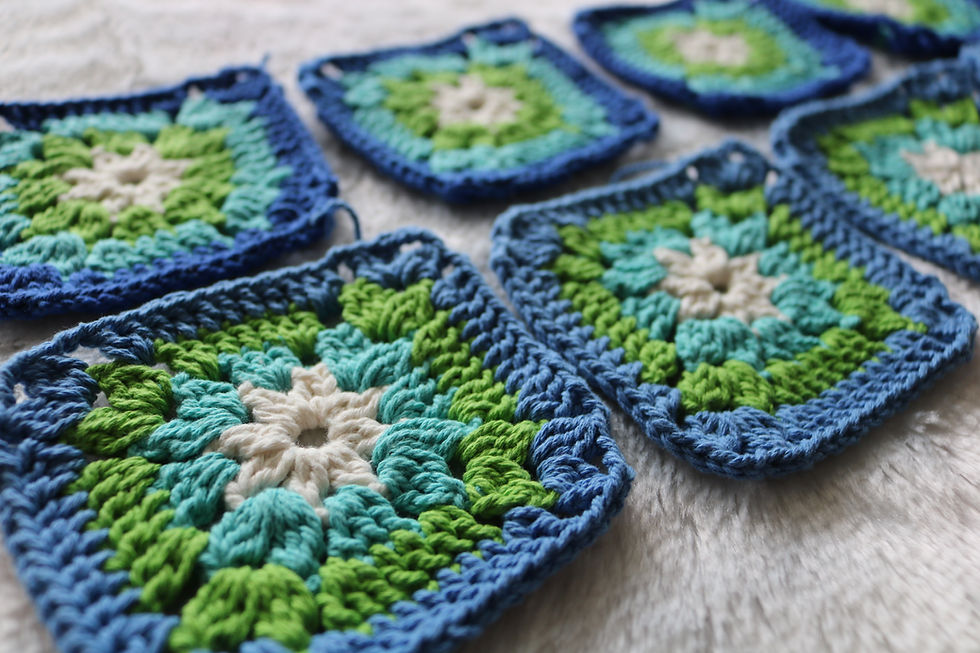
corners in granny squares
When in doubt: slow down, lift your work and look at the structure.
Pro Tip
Working under both loops creates a neat, sturdy fabric. Working under only the back loop gives a lovely rib effect, so don’t panic if it looks different!
4. Twisting Your Foundation Chain
Your project keeps corkscrewing? Your starting chain might have twisted before your first row.
Why It Happens
Long chains are easy to twist
Joining in the round too quickly
Not laying the chain flat before starting
How to Fix It
Before adding your first row, lay the chain completely flat and check that all bumps face the same way.
If working in the round, spread the chain around in a circle and make sure it isn’t twisted before joining.
Pro Tip
If long foundation chains feel fiddly, try working into the back bump of the chain. It makes the chain easier to see, keeps everything neatly aligned and gives you a beautifully clean edge to build from.

5. Miscounting Stitches (Especially in Rounds)
Your circle is waving at you… literally.
Why It Happens
Missing increases
Adding too many increases
Losing track of repeats
Not marking your round start
How to Fix It
Always place a stitch marker in the first stitch of every round.
Count stitches at the end of each round (yes, it’s worth it!).
Use tally marks or a row counter. Your brain will thank you.
Take a photo or quick note at the end of each session to track where you’re up to.
Pro Tip
If your circle is curling like a bowl, you need more increases.If it's ruffling like a tutu, you need fewer increases.
We're Not Meant to Be Perfect!
Some Crochet Mistakes Don’t Need Fixing
If you’re entering a show or competition, you might aim for absolute perfection, and that’s completely valid! But if you’re crocheting because you love the rhythm, the creativity and the joy of making, it’s okay to embrace the little quirks in your work.
Not every mistake needs to be unravelled. Truly.
Some “mistakes” turn into:
charming design features
unexpected textures
unique stitches only you could create
perfect spots for crocheted flowers, appliqué or a touch of embroidery
Sometimes, these imperfections disappear entirely once you block your project or add the finishing touches.
Letting go of perfection can be one of the most liberating skills in your crochet toolkit. Crochet is meant to be fun, expressive and forgiving, and your hands will learn so much more if you allow yourself to make, explore and sometimes improvise.
Remember: Mistakes Are Part of the Magic
Every crocheter, from the first-time hook holder to the seasoned maker of heirloom blankets, makes mistakes. They’re not signs of failure; they’re gentle markers of growth. Every uneven round teaches your hands something new. Every miscount builds resilience. Every successful fix expands your fibre confidence.
Next time something goes sideways, pause. Breathe. Look at your stitches with curiosity instead of frustration. Untangle if you need to. Adjust if you want to. Or simply keep going if the “mistake” doesn’t matter to you.


